
what-are-the-functions-of-secondary-metabolites-in-plants?
- BioPrime Stories & latest news

- what-are-the-functions-of-secondary-metabolites-in-plants?
what-are-the-functions-of-secondary-metabolites-in-plants?
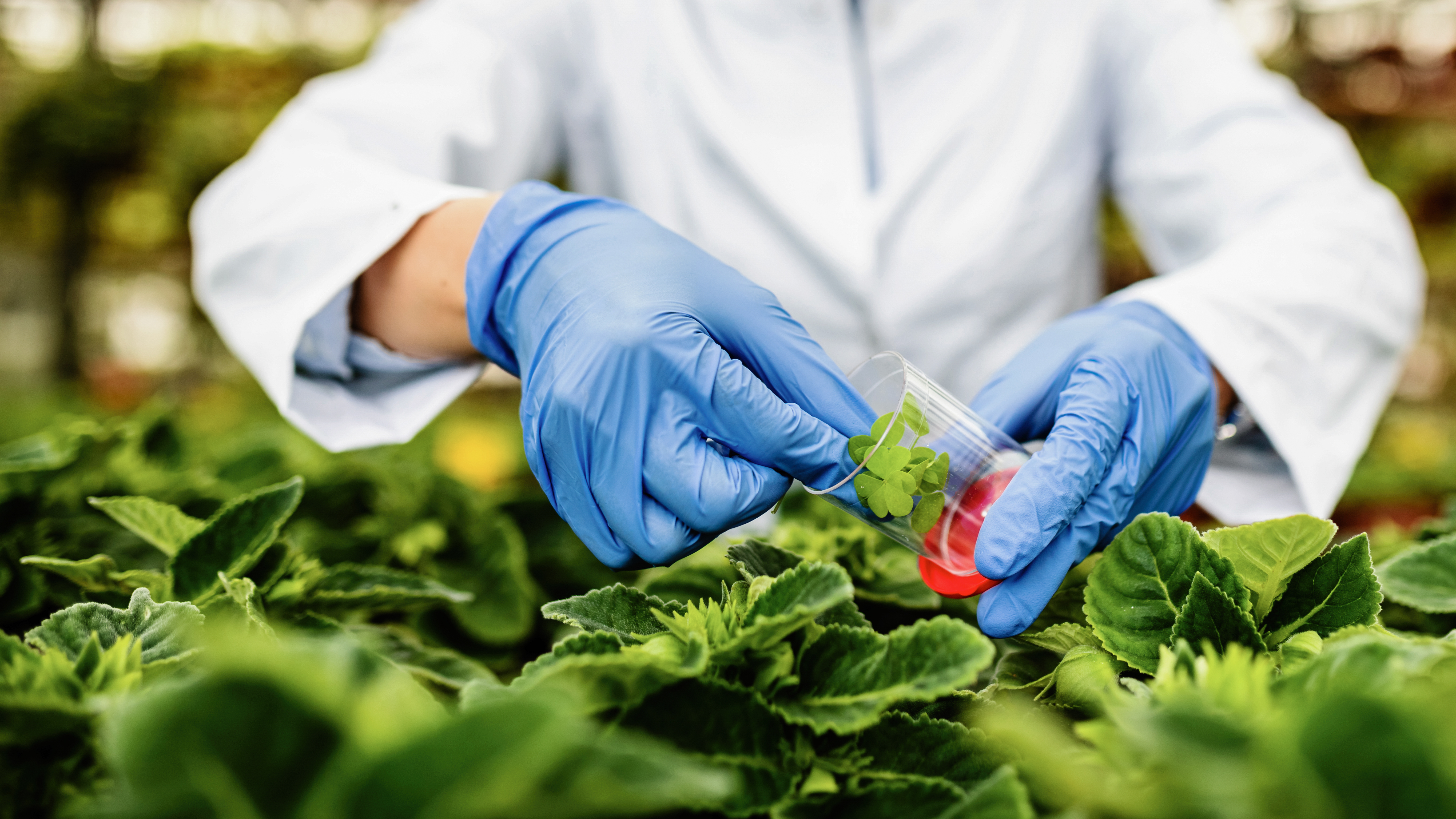
Plants are living chemical laboratories, producing a wide range of substances essential for their growth and survival. Along with primary metabolites like sugars, proteins, and fats, they also create unique compounds called secondary metabolites. Unlike primary metabolites, these are not directly involved in basic life processes but play crucial roles in defense, reproduction, and adaptation. From protecting plants against pests and diseases to attracting pollinators and helping them survive harsh environments, secondary metabolites are nature’s secret weapons. Understanding their functions not only reveals how plants thrive in challenging conditions but also shows their importance in medicine, agriculture, and everyday human life.
Natural Defenders of the Plant World
Secondary metabolites in plants act as powerful natural defenders, shielding plants from a variety of threats. Compounds like alkaloids, tannins, and phenolics can make plants unappealing or toxic to pests, preventing damage. Some also stop harmful bacteria and fungi from spreading. By producing these chemicals, plants reduce the risk of disease and ensure healthy growth. This natural defense system is a key reason why plants can survive in the wild without constant human protection or care.
1. Defense Against Pests and Diseases
One of the main functions of secondary metabolites is to protect plants from harmful insects, bacteria, fungi, and viruses. For example, alkaloids such as nicotine and quinine are bitter or toxic to pests. Similarly, phenolic compounds can stop the growth of harmful microbes.
2. Attracting Pollinators
Plants need pollinators like bees, butterflies, and birds to reproduce. Secondary metabolites such as pigments (e.g., anthocyanins) and fragrant oils help make flowers colorful and aromatic, attracting these pollinators. This increases the chances of seed and fruit production.
3. Protection from Environmental Stress
Plants face stress from too much sunlight, drought, or extreme temperatures. Certain secondary metabolites, such as flavonoids, act like natural sunscreens, protecting plants from harmful UV rays. Others help plants store water or withstand harsh weather conditions.
Conclusion
Secondary metabolites in plants may not be essential for their basic life processes, but they are crucial for survival, reproduction, and protection. These natural chemicals enable plants to fight threats, adapt to the environment, and interact with other organisms. Connect with Bio Prime today and get expert advice and eco-friendly products.